

If you are searching Cary North Carolina you are usually standing at a serious life decision point moving your family starting a job, or planning your studies in the United States. Cary looks calm, safe and premium but financially it behaves like a pressure city. People who plan their housing transport and job strategy early survive comfortably. People who don’t quietly burn savings.
This guide explains what real life in Cary North Carolina feels like for U.S. residents immigrants and international students.
Living in Cary North Carolina – Daily Life Reality
Living in Cary North Carolina feels clean calm and well-organized. Roads are wide parks are well maintained, schools are among the best in Wake County and neighborhoods feel safe even late in the evening. Families prefer Cary because violent crime is rare and community facilities are strong.
But Cary’s lifestyle has a hidden cost. Housing car ownership and insurance expenses are higher than most nearby towns. Public transport exists but does not support full workday commuting. Without a personal car, your job options become limited and your daily expenses increase.

Read Also :Sugar Land Texas: The Ultimate Relocation, Financial Survival & Settlement Guide(2026)
Cost of Living in Cary North Carolina – Real Monthly Budget
| Expense | Monthly Reality |
|---|---|
| Rent (1 bedroom) | $1,350 – $1,750 |
| Utilities | $150 – $190 |
| Internet & Phone | $120 – $150 |
| Groceries | $350 – $480 |
| Car + Insurance | $400 – $650 |
| Health Insurance | $250 – $500 |
| Fuel & Parking | $130 – $180 |
If your monthly take-home income is below $3,200, Cary starts feeling financially tight within months.
Apartments in Cary North Carolina – Where Housing Is Affordable and Where It Is Costly
Apartments in Cary North Carolina change sharply by location. Areas near Weston Parkway Harrison Avenue, Chapel Hill Road and the RTP border are priced for corporate employees. One-bedroom apartments here often exceed $1,600 per month.
Cheaper housing is mostly found in East Cary near Walnut Street, Maynard Road, Old Apex Road and the Cary–Raleigh border. These areas offer shared apartments private rooms and PG-style rentals between $550 and $950 per month. New immigrants and students usually start here before moving closer to job centers.

Read Also : Warehouse Jobs in USA 2026: Salary, Job Requirements & Real Hiring Truth
Jobs in Cary North Carolina – Where to Apply and What You Actually Earn
Cary North Carolina offers two job layers professional careers and survival entry jobs.
Entry and Part-Time Job Locations
| Company / Location | Job Type | Pay Range |
|---|---|---|
| Walmart (Cary Towne Blvd) | Retail, Stocking | $14–$18/hr |
| Target | Retail | $14–$17/hr |
| Amazon (Morrisville) | Warehouse | $16–$22/hr |
| UPS / FedEx | Warehouse | $16–$23/hr |
| Harris Teeter / Publix | Grocery | $14–$18/hr |
| Starbucks / Chick-fil-A | Food Service | $13–$17/hr |
Healthcare & Skilled Jobs
WakeMed Cary Hospital UNC Rex Healthcare and Duke Health clinics hire CNAs medical assistants technicians and support staff. These roles typically pay between $18 and $30 per hour and provide stable work.
Corporate & Tech Careers
Companies in and around RTP such as IBM, Cisco, Lenovo, SAS, IQVIA, Fidelity and Epic Games hire software engineers, data analysts, research staff and IT professionals. These jobs pay much higher but require U.S. experience, certifications and references.
Part Time Jobs in Cary NC – Survival Strategy
Part time jobs in Cary NC are mostly available in retail warehouse and food service. Restaurants, grocery stores and delivery services continuously hire. Students and new immigrants depend on these jobs to manage rent and daily expenses.
Student Housing in Cary NC – Real Survival Guide
Student housing in Cary NC is expensive if you try to live alone. Shared housing is the realistic option. Shared apartments usually cost between $550 and $800 per month while private rooms range from $800 to $1,100. Studio apartments often exceed $1,300.
East Cary and the Raleigh border remain the best areas for students.
Colleges in Cary North Carolina – Courses and Admissions
Wake Technical Community College offers IT, cybersecurity, nursing, HVAC, business and medical assisting programs. North Carolina State University in Raleigh offers engineering, biotechnology, computer science and business degrees.
U.S. residents apply using FAFSA. International students must apply through international admissions offices and arrange F-1 visas and insurance.

Read Also : University of Kentucky Fees, Acceptance Rate, Housing & Job Opportunities
Hospitals and Healthcare in Cary North Carolina
WakeMed Cary Hospital provides emergency and specialty care. UNC Rex Healthcare and Duke Health clinics serve most family and student medical needs. Insurance is mandatory — emergency visits without insurance can cost several thousand dollars.

Transport Reality in Cary North Carolina
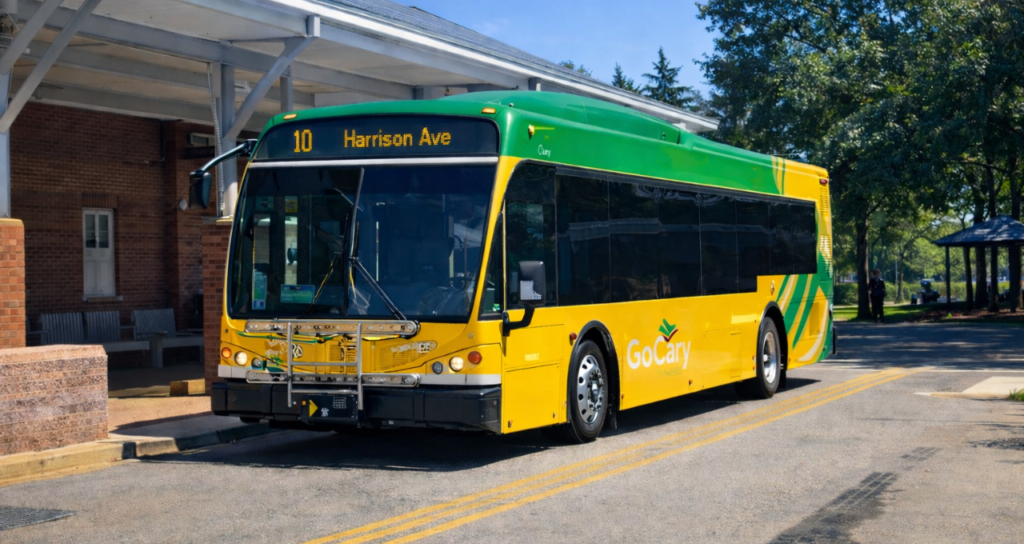
Cary is built around car ownership. Most full-time jobs, colleges hospitals, and shopping centers require a personal vehicle for convenient daily travel. GoCary buses operate on selected routes and are useful for limited commuting but they do not fully support shift-based jobs or late-night travel.
Ride-sharing services such as Uber and Lyft are widely used in Cary especially by students and workers without cars. These services provide reliable short-distance travel to colleges grocery stores, hospitals and job centers but frequent use can become expensive over time.
Peak traffic hours remain 7–9 AM and 4–6:30 PM, particularly around RTP corridors, Weston Parkway and Highway 55. Planning housing close to your workplace can significantly reduce monthly transport costs and daily travel stress.
Safety and Family Life in Cary North Carolina
Cary is among the safest towns in North Carolina. Violent crime is rare. Property theft and vehicle break-ins are the main concerns. Families prefer West Cary for school quality and quiet neighborhoods.
Best Areas to Live in Cary North Carolina
| Area | Best For |
|---|---|
| East Cary | Budget renters & students |
| West Cary | Families |
| Downtown Cary | Young professionals |
| RTP Border | Tech workers |
Is Cary NC Expensive?
Yes, Cary NC is more expensive than most North Carolina cities — and this is not accidental.
Cary sits directly beside Research Triangle Park (RTP), one of the largest corporate, biotech, and technology corridors in the state. Because of this location, Cary attracts high-income professionals, families looking for top-rated public schools, and long-term corporate migrants. This constant demand keeps housing prices, insurance rates, and daily living costs permanently higher than nearby cities such as Durham, Garner, or Fuquay-Varina.
Unlike budget cities, Cary is structured for professional settlement. Rental pricing, transportation design, and community planning all assume stable full-time incomes — not temporary survival living.
Final Truth
Cary North Carolina is a career-building city, not a budget city.
The residents who succeed here follow three simple rules:
- • They choose affordable housing zones first
- • They secure stable jobs early
- • They begin with shared accommodation before upgrading lifestyle
People who follow this path build long-term stability, education security, and property growth. People who ignore it often experience slow financial drain without realizing why.