
Let’s be honest college brochures paint a pretty picture but real student life at the University of Tennessee Knoxville comes with challenges that don’t make it into the glossy viewbooks. As a Volunteer you’re signing up for an experience that’s equal parts exhilarating and financially stressful. The reality is that managing your budget at UTK isn’t just about tuition 01+
it’s about navigating rent prices that have jumped 40% in some Fort Sanders apartments over the past three years, finding part-time work that actually pays enough to cover groceries, and understanding that “safety on campus” means being smart about your surroundings, especially during late-night study sessions at Hodges Library.
The average UTK student needs to budget around $2,000 per month just for basic living expenses – and that’s before you’ve bought your first textbook. Part-time work isn’t optional for most students; it’s a necessity. The good news? UTK’s Federal Work-Study program guarantees $16/hour for off-campus community service positions, and on-campus jobs start at $11/hour with opportunities to earn up to $17.25/hour in roles like RecSports. But here’s the catch: you’re limited to 20 hours per week during academic sessions, which means strategic planning is essential.
Safety at UTK is a mixed reality. While the campus police department is responsive and the university has implemented comprehensive safety measures, crime statistics show 968 reported incidents in 2019 involving students. The university isn’t immune to the challenges of any urban campus but understanding the reality of these statistics rather than ignoring them is your first step in developing smart safety habits.
Where University of Tennessee Knoxville Is Located: Campus Area, Transport & Daily Commute Reality
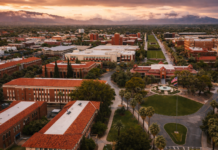
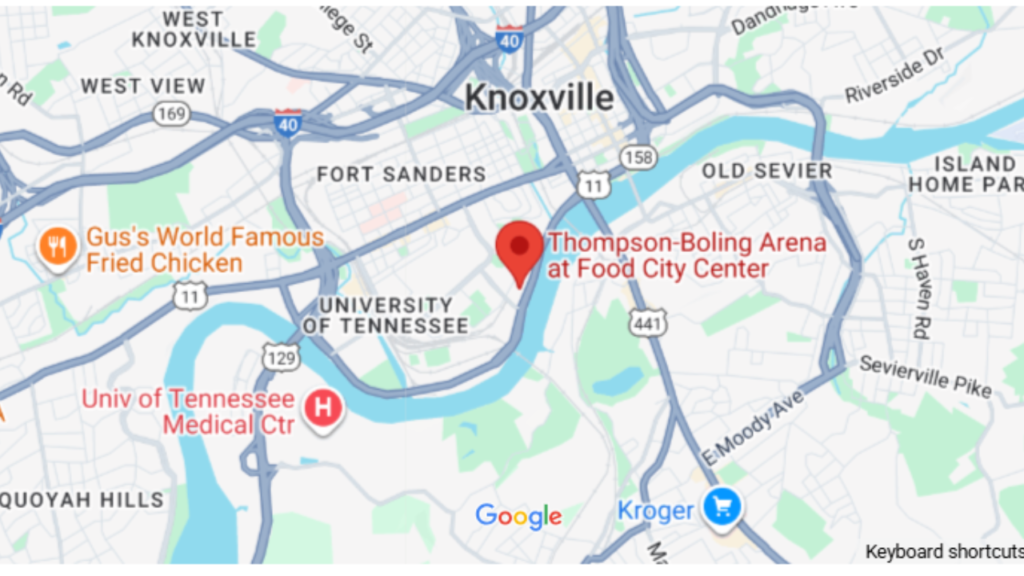
The University of Tennessee, Knoxville occupies a 910-acre campus that sits proudly alongside the Tennessee River seamlessly blending into downtown Knoxville’s urban fabric. This isn’t your isolated college town it’s a midsize city with 600 acres of developed campus that serves as the academic and social hub for more than 38,000 students. The campus features 294 buildings and offers over 900 programs of study creating a sprawling academic landscape that’s both impressive and occasionally overwhelming for new students.

University of Tennessee Knoxville Weather Reality for New Students
Knoxville’s climate throws everything at you. Fall semester starts with sweltering August temperatures that regularly hit 90°F, making the walk from the parking garage to your 8 AM class an exercise in heat management. By December, you’re dealing with temperatures that can dip into the 20s, and spring brings unpredictable rain that will test your waterproof gear investment. The key? Layering is your best friend, and investing in a good rain jacket isn’t optional – it’s survival equipment.
University of Tennessee Knoxville Airport & Transportation Reality
McGhee Tyson Airport (TYS) sits 12.5 miles from campus about a 20-25 minute drive in normal traffic. Here’s what they don’t tell you during orientation: while UTK offers free airport shuttles before major holidays you need to register in advance and spots fill up quickly. For regular travel you’re looking at $30-50 for rideshare services or if you’re really budget-conscious the KAT bus system connects the airport to campus but be prepared for a journey that can take 90 minutes with transfers.
University of Tennessee Knoxville Campus Transportation System
UTK’s “T” bus system is free for students and operates throughout campus with routes that connect to downtown Knoxville. This is your lifeline during bad weather and when you’re running late for class. The system also includes trolleys that bridge the gap between campus and downtown, which is essential for accessing internships part-time jobs and the occasional night out. However, service frequency drops significantly after 6 PM and on weekends, so planning ahead is crucial.
For students living off-campus particularly in the popular Fort Sanders area walking to class is common but be prepared for hills that will give your calves a workout they won’t forget. Many students invest in bikes or electric scooters but theft is a real concern invest in a high-quality U-lock and register your ride with campus police.
Read ALSO : Customer Service Representative Jobs in USA: The 2026 High-Paying Guide
Why Students Choose University of Tennessee Knoxville Beyond Marketing Claims
The decision to attend UTK rarely comes down to a single factor. Instead, it’s a complex calculation of academic opportunities financial reality and lifestyle fit. Let’s break down the real reasons students commit to being Volunteers backed by actual data rather than marketing claims.
| Factor | Reality Check | Impact on Decision |
|---|---|---|
| Academic Reputation | Top-ranked programs in Supply Chain Management (3rd nationally), Nursing (top 20), and Engineering disciplines | High |
| Cost vs. Value | In-state tuition: $13,812/year; Out-of-state: $32,956/year | Medium |
| Campus Size & Community | 30,564 undergraduates on 910-acre campus | High |
| Location Benefits | Access to outdoor activities, downtown Knoxville integration, Tennessee River proximity | Medium |
| Athletic Culture | SEC sports culture, Neyland Stadium atmosphere | High |
| Job Market Access | Growing tech sector, healthcare industry presence, manufacturing base | Medium |
The academic reputation factor carries significant weight particularly for students interested in business engineering and healthcare fields. UTK’s Haslam College of Business has built a national reputation especially in supply chain management which translates directly into job opportunities after graduation. The College of Nursing’s consistent top-20 ranking means graduates are highly sought after in healthcare systems across the Southeast and beyond.
Campus size plays a dual role in student decisions. The large undergraduate population (30,564 students) means diverse social opportunities and extensive resources, but it also requires students to be proactive in finding their niche. The 910-acre campus provides ample space for facilities and green areas, but also means strategic planning is needed to navigate between classes efficiently.

University of Tennessee Knoxville Courses With Real Job Demand
The job market reality for UTK graduates varies significantly by major. Understanding which fields actually have strong employment prospects and what those prospects look like financially is crucial for making informed decisions about your academic path.
| Major | UTK Program Ranking | Average Starting Salary | Job Growth Projection | Key Employers |
|---|---|---|---|---|
| Supply Chain Management | 3rd nationally | $62,000 | 30% through 2030 | Amazon, FedEx, Pilot Company |
| Nursing | Top 20 nationally | $58,000 | 9% through 2030 | UT Medical Center, Covenant Health |
| Mechanical Engineering | Top 50 nationally | $65,000 | 7% through 2030 | Oak Ridge National Lab, TVA |
| Business Administration | Most popular major | $52,000 | 10% through 2030 | Local banks, consulting firms |
| Computer Science | Growing program | $72,000 | 22% through 2030 | Tech startups, government contractors |
The data reveals some important realities for prospective students. First, UTK’s strongest programs align well with regional economic strengths. The supply chain management program’s national ranking isn’t just academic prestige it connects directly to Knoxville’s position as a logistics hub with major employers like Amazon and FedEx actively recruiting UTK graduates.
Nursing graduates benefit from Tennessee’s growing healthcare sector, with multiple hospital systems in the Knoxville area alone. The consistent top-20 ranking means UTK nursing graduates have a competitive advantage in securing positions at prestigious healthcare systems both locally and regionally.
Engineering programs while not carrying the same national rankings as business programs, benefit from proximity to Oak Ridge National Laboratory and the Tennessee Valley Authority providing unique internship and employment opportunities that aren’t available to students at other universities.
University of Tennessee Knoxville Tuition, Fees & Real Cost Breakdown
Understanding the true cost of attending UTK requires looking beyond the sticker price of tuition. The university’s billing system includes various mandatory fees that can catch students off guard if they’re not prepared.
| Category | In-State Students | Out-of-State Students | International Students |
|---|---|---|---|
| Base Tuition | $13,812/year | $32,956/year | Same as out-of-state |
| Technology Fee | $365/semester | $365/semester | $365/semester |
| Student Activity Fee | $43/semester | $43/semester | $43/semester |
| Health Services Fee | $210/semester | $210/semester | $210/semester |
| Recreation Fee | $186/semester | $186/semester | $186/semester |
| International Student Fee | N/A | N/A | $100/semester |
| Health Insurance | $2,200/year (waivable) | $2,200/year (waivable) | Required ($2,200/year) |
| Total Estimated Annual Cost | $39,494 | $58,938 | $61,138 |
The hidden costs can add up quickly. The technology fee while supporting campus Wi-Fi and computer labs isn’t optional. The recreation fee funds the TRECS facility which is great if you use it regularly but feels like an added expense if you don’t. Health insurance presents another financial reality while the university offers coverage at $2,200 per year, students can waive this only if they have comparable coverage, which many international students find challenging to secure.
For international students, the additional $100 per semester fee might seem minor but combined with mandatory health insurance and the lack of access to federal financial aid, the total cost difference can be substantial. Many international students find themselves needing to budget an additional $5,000-7,000 annually compared to what they initially anticipated.
University of Tennessee Knoxville Monthly Living Expenses
Creating a realistic budget for life at UTK requires understanding the monthly costs that aren’t included in your tuition bill. These expenses can make or break your college experience especially if you’re relying on part-time work to make ends meet.
| Expense Category | Low-End Estimate | High-End Estimate | Notes |
|---|---|---|---|
| Rent (shared apartment) | $600 | $900 | Fort Sanders area, per person |
| Utilities (electric, water, gas) | $100 | $150 | Split among roommates |
| Internet | $30 | $50 | High-speed required for online classes |
| Groceries | $250 | $400 | Depending on dietary preferences |
| Transportation | $50 | $100 | Bus pass or occasional rideshare |
| Phone Plan | $40 | $80 | Depending on data needs |
| Personal Care | $50 | $100 | Toiletries, medications, etc. |
| Entertainment | $100 | $200 | Movies, dining out, social activities |
| Textbooks & Supplies | $50 | $100 | Per month, averaged over semester |
| Emergency Fund | $50 | $100 | Highly recommended |
| Total Monthly | $1,320 | $2,180 | Before tuition and fees |
The reality is that most students need to budget toward the higher end of these ranges, especially during their first year when they’re still learning to manage expenses. Rent in popular areas like Fort Sanders has seen significant increases with many students reporting $800-900 per person for shared apartments. The utility estimates assume splitting costs among multiple roommates but if you’re living alone or with just one other person, these costs can double.
Grocery costs vary dramatically based on dietary preferences and cooking habits. Students who rely heavily on meal plans or eating out will find themselves at the higher end of the range while those who cook at home and shop strategically can stay closer to $250 per month.
The emergency fund category is one that many students overlook but it’s crucial for covering unexpected expenses like car repairs medical bills, or last-minute travel needs. Without this buffer many students find themselves turning to high-interest credit cards or payday loans when emergencies arise.

University of Tennessee Knoxville Part Time Jobs Reality
The need for part-time work is a reality for most UTK students but understanding the job landscape and realistic earning potential is essential for planning your schedule and budget.
| Job Type | Hourly Rate | Typical Hours/Week | Pros | Cons |
|---|---|---|---|---|
| On-Campus Work-Study | $11.00 – $17.25 | 10-20 | Flexible schedule, no commute | Limited positions, income caps |
| Off-Campus Community Service | $16.00 minimum | 10-20 | Higher pay, community impact | Requires transportation |
| Retail (Campus Area) | $12.00 – $15.00 | 15-25 | Employee discounts, flexible | Weekend work required |
| Food Service | $11.00 – $14.00 + tips | 15-25 | Tips can double earnings | Physically demanding |
| Tutoring | $15.00 – $25.00 | 8-15 | Good pay, resume building | Limited availability |
| Help Desk/IT Support | $13.00 starting | 12-20 | Skills development, flexible | Technical knowledge required |
| Brand Ambassador | $15.00 – $20.00 | 10-15 | Networking opportunities | Irregular schedule |
The Federal Work-Study program offers the most stability with guaranteed minimum pay rates and schedules designed around academic needs. However, positions are limited and not all students qualify based on financial need. The program’s 20-hour weekly limit during academic sessions is both a blessing and a curse it ensures you have time for studies but may limit your earning potential.
Off-campus opportunities often pay better, especially community service positions that are part of the Federal Work-Study program. However, these require reliable transportation and may have less flexible schedules. Retail and food service jobs in the campus area are plentiful but often require weekend and evening work which can conflict with study time and social activities.
Tutoring represents one of the highest-paying opportunities for students with strong academic records but positions are limited and often require specific expertise in high-demand subjects like math, science, and foreign languages.

University of Tennessee Knoxville Campus Safety & Crime Reality
Safety at UTK requires honest discussion rather than fear-mongering or dismissal of concerns. The campus police department maintains detailed crime statistics that provide important context for making informed decisions about your safety.
| Crime Category | 2019 Incidents | Rate per 1,000 Students | Prevention Strategies |
|---|---|---|---|
| Burglary/Theft | 342 | 11.2 | Use campus lockers, secure valuables |
| Alcohol Violations | 287 | 9.4 | Know campus policies, use designated drivers |
| Drug Violations | 153 | 5.0 | Understand campus policies, seek help if needed |
| Assault | 76 | 2.5 | Use buddy system, avoid isolated areas at night |
| Vehicle Theft | 53 | 1.8 | Use campus parking, secure vehicles |
| Sexual Assault | 47 | 1.5 | Attend safety workshops, use campus escort services |
The data shows that property crimes constitute the majority of incidents, which is typical for university campuses. However, the assault and sexual assault statistics, while lower in number, represent serious concerns that require proactive safety measures.
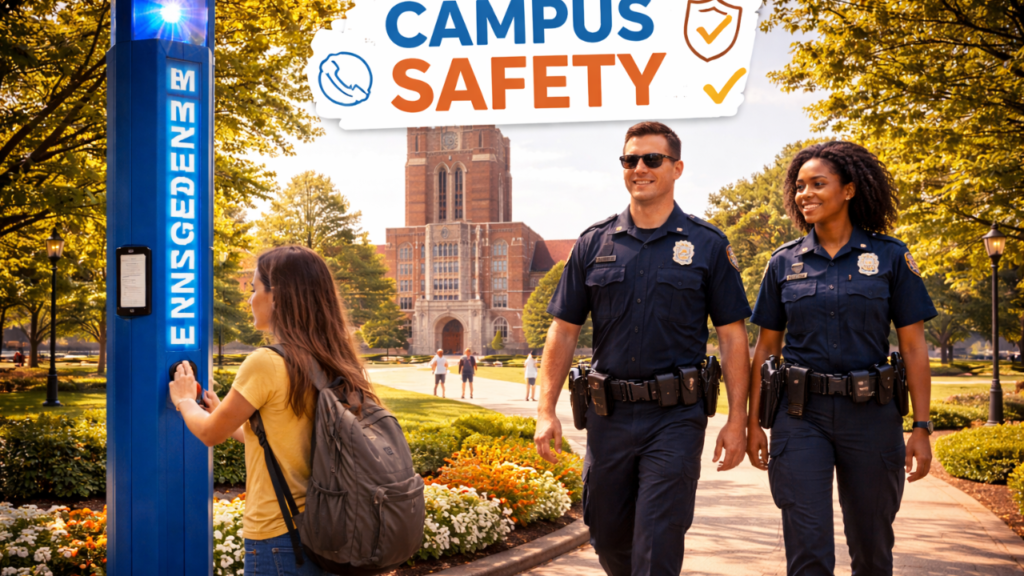
The University of Tennessee Police Department (UTPD) provides several services that students should utilize:
- Campus escort services for late-night walks across campus
- Blue light emergency phones throughout campus
- Regular safety workshops and self-defense classes
- Real-time crime alerts via the university’s mobile app
Understanding the geography of safety on campus is crucial. Well-lit, high-traffic areas are generally safe, even at night. However, the stretch between campus and some off-campus housing areas, particularly along Cumberland Avenue late at night requires additional caution. Using the campus escort service or traveling in groups is strongly recommended during evening hours.
University of Tennessee Knoxville Housing Cost: On-Campus vs Off-Campus Reality
The housing decision at UTK involves weighing convenience against cost, and understanding the true expenses associated with each option. Many students are surprised by the actual costs when all factors are considered.
| Housing Option | Cost per Academic Year | Pros | Cons |
|---|---|---|---|
| On-Campus Double Room | $8,370 – $11,470 | All-inclusive, close to classes | Limited privacy, meal plan required |
| On-Campus Single Room | $11,470 – $15,690 | Privacy, campus access | Higher cost, limited availability |
| Off-Campus Shared Apartment | $7,200 – $10,800 | More independence, potentially cheaper | Utilities not included, commute required |
| Off-Campus Private Apartment | $12,000 – $18,000 | Maximum privacy, amenities | Significantly more expensive |
| Greek Housing | $8,000 – $12,000 | Social connection, leadership opportunities | Additional dues, time commitments |
On-campus housing offers convenience but at a premium price. The rates include utilities and often require meal plans which can add another $3,000-4,000 per year. The proximity to classes and campus resources is valuable especially during freshman year when you’re still learning to navigate the university.
Off-campus housing in areas like Fort Sanders offers more independence and can be more cost-effective especially if you’re sharing with multiple roommates. However you’ll need to budget for utilities internet, and transportation costs that aren’t included in the rent. Many students are surprised by the additional costs of setting up an apartment – first and last month’s rent security deposits and utility connection fees can add $1,000-1,500 to your initial moving expenses.
Greek housing provides a middle ground with social benefits and structured living, but comes with additional financial commitments in the form of chapter dues and social fees. The time commitment for Greek life can also impact your ability to work sufficient hours to cover expenses.
Read Also : Sugar Land Texas: The Ultimate Relocation, Financial Survival & Settlement Guide(2026)
University of Tennessee Knoxville Admission Requirements: The Real Numbers You Need
Understanding UTK’s admission requirements goes beyond knowing the minimum standards. The competitive nature of admissions means you need to aim for scores well above the published minimums to have a strong chance of acceptance.
| Requirement | Minimum for Consideration | Competitive Range | Notes |
|---|---|---|---|
| Weighted Core GPA | 3.5 | 4.0+ | Most admitted students have 4.0+ GPA |
| ACT Composite | 25 | 25-31 | SAT equivalent: 1220+ |
| SAT Total | 1220 (ERW+M) | 1210-1360 | Superscore considered |
| Application Deadline | November 1 (Early Action) | February 15 (Regular) | Early Action recommended for scholarship consideration |
| Test Score Deadline | April 1 | January 15 (self-reported) | Official scores due by April 1 |
The guaranteed admission policy for in-state students requires a 3.5 weighted GPA and 25 ACT score, but the reality is that most admitted students exceed these minimums significantly. For fall 2025 admission, most successful applicants reported GPAs of 4.0 or higher and ACT scores well above the minimum.
Early Action applications (due November 1) receive priority consideration for both admission and scholarships. While Regular Decision applications are accepted until February 15, students applying by the Early Action deadline have a significant advantage in both admission rates and financial aid awards.
The test-optional policy has created some confusion but UTK still requires self-reported test scores as part of the application process. While the university considers the full range of an applicant’s profile strong test scores remain an important factor in admission decisions, especially for out-of-state and international applicants.

Read Also : University of Kentucky Fees, Acceptance Rate, Housing & Job Opportunities
University of Tennessee Knoxville Pros and Cons for Students
Making an informed decision about UTK requires weighing the genuine advantages against the real challenges you’ll face as a student. This balanced perspective can help you determine if UTK is the right fit for your academic and personal goals.
Pros:
- Strong academic programs in business, engineering, and nursing
- Comprehensive financial aid and work-study programs
- Active campus life with SEC athletics and student organizations
- Strong connections to regional employers and internship opportunities
- Free campus transportation and downtown access
- Growing job market in Knoxville and surrounding areas
Cons:
- Large campus size can be overwhelming for some students
- High cost for out-of-state and international students
- Limited on-campus housing availability for upperclassmen
- Competitive admission standards, especially for popular majors
- Parking challenges and costs for students with cars
- Some safety concerns typical of urban campuses
The academic strengths of UTK are significant, particularly in fields that align with regional economic strengths. The connections to major employers like Oak Ridge National Laboratory, TVA, and healthcare systems provide unique opportunities for internships and post-graduation employment that aren’t available at many other universities.
However the financial reality can be challenging especially for out-of-state and international students who face tuition costs more than double those of in-state students. While work-study programs help bridge the gap the 20-hour weekly work limit means students need to budget carefully and often seek additional income sources.
The campus environment offers a vibrant social scene with strong athletic traditions but the large student population means students need to be proactive in finding their community. The urban location provides access to city amenities but also comes with urban challenges like parking difficulties and safety considerations typical of any major university campus.
Practical FAQs: Real Answers to Common Questions
Q: Can I really work 20 hours per week and maintain good grades?
A: Yes but it requires excellent time management skills. Many successful UTK students work 15-20 hours per week, but they prioritize study time, choose jobs with flexible schedules and communicate proactively with employers about exam periods. The key is finding work-study positions or understanding employers who are accustomed to working with student schedules.
Q: Is Fort Sanders really the best place to live off-campus?
A: Fort Sanders offers convenience and a traditional college atmosphere but it’s not always the most cost-effective option. Many students find better value in areas like North Knoxville or Sequoyah Hills though these require transportation. Consider factors like safety, commute time, and total costs (including utilities) when making your decision.
Q: How much should I budget for textbooks each semester?
A: Budget $600-800 per semester for new textbooks, but you can reduce this significantly by renting, buying used or using digital versions. Many professors list required texts early allowing you to shop around. The UTK bookstore offers price matching, and online retailers often have better deals.
Q: What’s the reality of campus safety at night?
A: UTK has comprehensive safety measures, including blue light phones campus escort services, and regular police patrols. However, like any urban campus, it’s important to take precautions: use the buddy system when walking at night, stay in well-lit areas, and take advantage of campus safety services. The Fort Sanders area between campus and some off-campus housing requires additional caution during late hours.
Q: Can international students find part-time work easily?
A: International students face some restrictions but have several options. On-campus jobs don’t require special work authorization and the university has positions specifically for international students. However competition can be fierce, so start your search early and consider skills-based positions like tutoring or research assistantships that may offer higher pay.
Q: How early should I start looking for housing for next year?
A: Start your housing search by October for the following academic year. The best off-campus options, especially those within walking distance of campus, typically lease by December or January for the following fall. On-campus housing applications open in early spring, but popular options fill quickly.
Read Also :Cary North Carolina – Living Cost, Jobs, Apartments, Student Housing & Real Survival Guide (2026)