
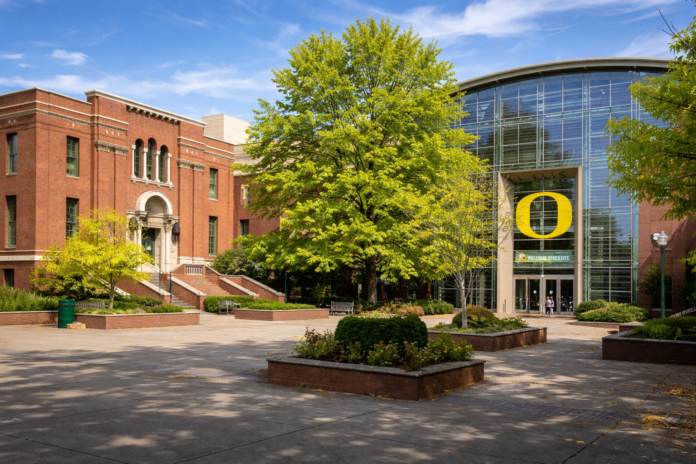
Choosing a university is one of the most significant investment decisions a family will ever make. It is not merely about selecting a place to attend classes; it is about choosing an ecosystem that will shape professional networks, career trajectories, and personal growth for decades to come. The University of Oregon stands out as a premier public research institution that offers a distinct blend of academic rigor, a spirited campus culture, and a strong return on investment (ROI). Located in the vibrant city of Eugene, this university has built a formidable reputation for producing leaders in journalism, business, sustainability, and the sciences.
For parents and students navigating the complex landscape of higher education, understanding the tangible value of a degree is paramount. This guide provides an in-depth, professional analysis of what the University of Oregon offers, breaking down everything from tuition costs and scholarship opportunities to career outcomes and campus life. Whether you are a domestic student looking for a dynamic college experience or an international applicant seeking a globally recognized education, this article serves as your definitive resource for making an informed, strategic decision about your future.
University of Oregon Overview: Ranking, Campus Reputation and Academic Strength
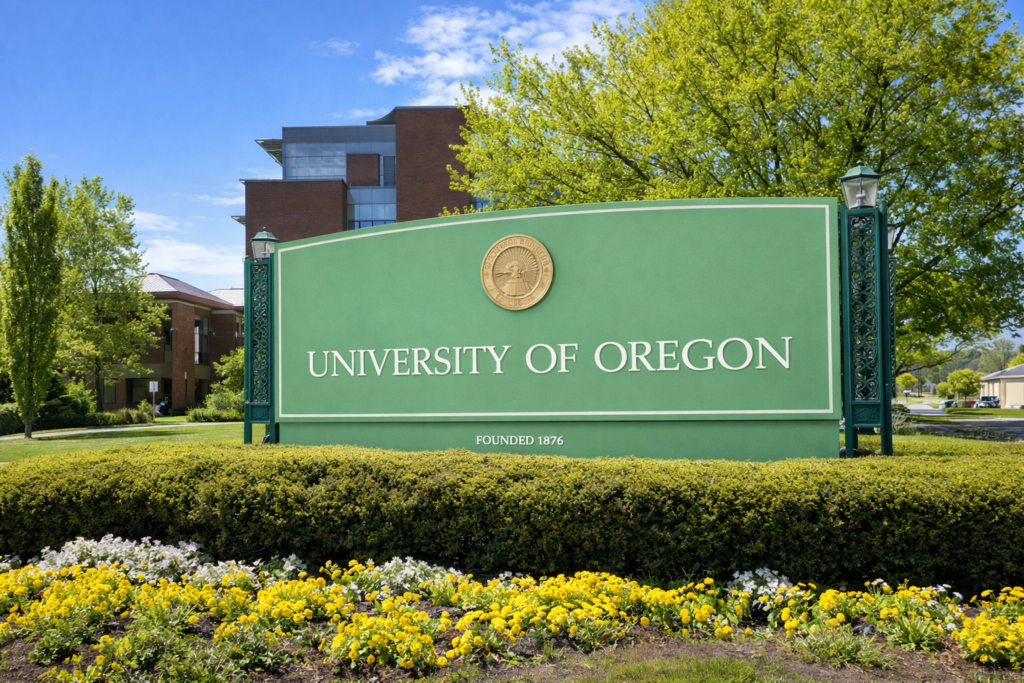
The University of Oregon (UO) is a flagship public research university classified among the “R1: Doctoral Universities – Very high research activity” institutions. This classification is a marker of prestige, indicating that the university is committed to the highest levels of research activity and academic distinction. Established in 1876, UO serves as the state’s flagship institution and is a proud member of the Association of American Universities (AAU), an invitation-only organization representing the top 65 research universities in North America. Membership in the AAU is a key indicator of academic quality that employers and graduate schools respect globally.
Athletically, the university is a powerhouse, currently competing in the Pac-12 Conference with a highly publicized transition to the Big Ten Conference on the horizon. The “Oregon Ducks” brand is globally recognized, largely due to its innovative partnership with Nike, co-founded by UO alumnus Phil Knight. This athletic prestige translates into immense school spirit and a cohesive campus identity. The university spans 295 acres in Eugene, Oregon, a city known for its progressive culture, love of the outdoors, and vibrant arts scene. This geographic positioning offers students a safe, accessible college town with easy access to the Pacific Coast, the Cascade Mountains, and the economic hubs of Portland and Seattle.
Read Also : University of Colorado Boulder – Admissions, Programs, Fees, Scholarships & Career Outcomes (2026)
University of Oregon Benefits for Domestic and International Students
When evaluating the ROI of higher education, the University of Oregon presents a compelling case for both domestic and international applicants. For USA students, particularly those from the Western United States, UO offers the prestige of a top-tier public research university without the extreme private university price tag. The university generates significant economic impact and maintains deep ties with industry leaders, particularly in technology, sustainability, and apparel management. The “Oregon Brand” carries weight in job markets across the country, signaling to employers that graduates possess critical thinking skills and a progressive, innovative mindset.
For international students, the University of Oregon provides a supportive and inclusive environment designed to foster success in a globalized economy. The university ranks highly for its study abroad programs and international student services. Unlike many large public institutions where international students might feel isolated, UO integrates global perspectives into the core curriculum. The presence of a robust international community means students can find support networks while immersing themselves in American culture. Additionally, for students concerned about post-graduation employment, UO’s Career Center offers specialized support for international students navigating the complexities of work authorization (CPT/OPT) and connecting with employers who sponsor H-1B visas.
The university’s focus on interdisciplinary studies is another major draw. UO encourages students to combine majors in unique ways—such as pairing journalism with data science, or business with environmental studies—to create a personalized educational profile that stands out to recruiters. The institution is not just about churning out graduates; it is about developing thought leaders. The presence of the Phil and Penny Knight Campus for Accelerating Scientific Impact offers undergraduate and graduate students rare access to high-level research opportunities typically reserved for faculty at other schools. This access to research is a critical factor for students considering medical school or PhD programs, providing a distinct competitive advantage in the admissions process.

Best Majors at University of Oregon With Strong Career ROI
The university is academically strong because its major schools are closely connected to real industry demand, which improves both career outcomes and degree value. Its most recognized divisions include the College of Arts and Sciences, Lundquist College of Business, School of Journalism and Communication, and College of Design. Among these, the Lundquist College of Business has built a strong reputation for sports business, entrepreneurship, and MBA training, especially because students benefit from regional industry access to companies like Nike, Adidas, and Columbia Sportswear. This creates strong internship pipelines and often leads to direct hiring opportunities.
The School of Journalism and Communication (SOJC) remains one of the university’s strongest academic assets. It prepares students for modern media careers through advertising, digital storytelling, public relations, and multimedia production, not only traditional journalism. Its alumni presence in major U.S. media markets gives students stronger professional access after graduation.
For creative students, the College of Design emphasizes studio-based learning, sustainability, architecture, and product innovation, which is valuable for students seeking practical portfolio-based careers.

Top Academic Programs With Industry Demand
| Academic Program | Why It Stands Out | Career Advantage |
|---|---|---|
| Business / Sports Business | Strong industry connection with sports brands | High internship and salary potential |
| Journalism & Communication | Digital media + public relations focus | Strong media job placement |
| Design / Architecture | Studio-based practical learning | Portfolio-driven hiring advantage |
| Education / Psychology | Research-focused graduate pathways | Strong for counseling and policy careers |
| Biology / Chemistry | Research exposure at undergraduate level | Good pathway for medical and dental schools |
At graduate level, education, psychology, and law also deliver strong academic value. STEM students benefit from funded undergraduate research, which strengthens graduate school applications and improves readiness for biotech, healthcare, and research careers. Research participation itself often becomes a major resume advantage.
University of Oregon Salary Outcomes by Major
| Major / Program | Median Early Career Salary | Mid-Career Salary Projection | Key Industry Sectors |
|---|---|---|---|
| Sports Business | $52,000 | $95,000 | Athletic Apparel, Team Management, Marketing |
| Computer Science | $75,000 | $135,000 | Tech, Software Development, Data Science |
| Journalism / Comm | $45,000 | $82,000 | Digital Media, PR, Corporate Comm |
| Psychology | $40,000 | $75,000 | Healthcare, HR, Social Services |
| Architecture | $50,000 | $90,000 | Urban Planning, Sustainable Design, Construction |
| Business Admin | $55,000 | $100,000 | Finance, Consulting, Management |
Read Also : University of Pennsylvania Tuition Fees, Acceptance Rate, Admission, and Campus Life 2026
University of Oregon Admission Requirements for 2025–2026
Gaining admission to the University of Oregon is a competitive yet holistic process. For US students, the admissions committee evaluates applicants based on a comprehensive review of their high school curriculum, grade point average (GPA), and standardized test scores (if submitted). While UO has adopted a test-optional policy, which became permanent in 2022, submitting strong SAT or ACT scores can still bolster an application, particularly for students whose GPA might not fully reflect their potential. The university places a heavy emphasis on the rigor of the high school coursework. Applicants are strongly encouraged to have completed four years of English, four years of math (up to pre-calculus or higher), three years of social studies, three years of science (with at least one lab science), and two years of a second language.
The average GPA for incoming freshmen typically hovers around 3.6 on a 4.0 scale (B+ average), indicating that successful applicants are generally strong students. However, the university looks beyond just numbers. The application essay, or personal statement, is a critical component of the review process. This is the applicant’s opportunity to showcase their character, leadership experiences, and how they align with the university’s values of innovation and community. Extracurricular involvement—whether in sports, clubs, volunteer work, or employment—plays a significant role in the decision-making matrix. The university seeks students who will contribute to the campus community and demonstrate the potential to be future leaders.
For international students, the requirements at the University of Oregon are slightly more stringent due to the need to verify English proficiency. Applicants whose native language is not English must submit scores from the TOEFL (Test of English as a Foreign Language), IELTS (International English Language Testing System), or the Duolingo English Test. Generally, the university looks for a TOEFL iBT score of 88 or above, with no sub-score lower than 17, or an IELTS overall band score of 6.5. International students must also provide proof of financial support to demonstrate their ability to cover tuition and living expenses for the first year, as required for the I-20 form. The university reviews international applications holistically as well, considering the academic rigor of the student’s home country curriculum, such as IB, A-Levels, or national examinations.

University of Oregon Tuition Fees for In-State, Out-of-State and International Students
Understanding the financial commitment is crucial for families planning for college. The University of Oregon operates on a tiered tuition system, distinguishing between residents of Oregon, non-residents of the United States, and international students. For Oregon residents, the university offers one of the most competitive tuition rates among flagship public universities in the Western US. This accessibility is a core part of the university’s mission to serve the state’s population. However, for out-of-state and international students, the cost reflects the premium of attending a top-tier research institution without the subsidy provided by state taxes.
Beyond the base tuition, students must budget for mandatory fees, which fund the student recreation center, health services, transit, and technology infrastructure. These fees are standard across public universities but can add up significantly over the course of a year. Additionally, the cost of textbooks and course materials has risen sharply in recent years. Students should budget approximately $1,200 to $1,500 per year for books and supplies, although this can be mitigated by renting textbooks or buying digital versions. It is also important to consider the “cost of attendance” (COA) as defined by the financial aid office, which includes indirect costs like personal expenses and transportation, giving a more realistic picture of the yearly financial requirement.
University of Oregon Tuition Cost Table 2025–2026
| Category | Tuition (Per Year) | Mandatory Fees (Per Year) | Total Estimated Cost |
|---|---|---|---|
| Oregon Residents (Undergrad) | ~$13,500 | ~$1,500 | ~$15,000 |
| Non-Resident (Domestic) | ~$41,000 | ~$1,500 | ~$42,500 |
| International Students | ~$41,000 | ~$1,500 | ~$42,500 |
| Graduate Residents | ~$17,000 | ~$1,200 | ~$18,200 |
| Graduate Non-Resident | ~$30,000 | ~$1,200 | ~$31,200 |
Disclaimer: Tuition rates are subject to approval by the Oregon State Board of Higher Education and typically increase by 3-5% annually. Fees vary slightly by program and credit load. Room and board are not included in these figures.
When planning for the total investment, families must consider the “sticker price” versus the “net price.” The sticker price is the full tuition, while the net price is what families actually pay after grants and scholarships are deducted. For many out-of-state students, the initial tuition figure can be daunting. However, the university offers specific programs, such as the WUE (Western Undergraduate Exchange) program for eligible western states, which significantly reduces tuition for qualifying students. This makes the University of Oregon a financially viable option for students from states like California, Washington, and Nevada who are looking for an out-of-state experience without the full out-of-state cost burden.
Read Also : Sugar Land Texas: The Ultimate Relocation, Financial Survival & Settlement Guide(2026)
International Student Intake, Degree Duration, and Visa Planning
The University of Oregon mainly operates through the Fall intake, which begins in September and remains the most preferred entry cycle because maximum scholarships, housing options, and course availability are offered during this period. International applicants can also access selected programs through Winter and Spring intake depending on department availability, but Fall remains strategically strongest for long-term academic planning.
University of Oregon Intake Calendar for International Students
| Intake | Application Period | Classes Begin | Best For |
|---|---|---|---|
| Fall Intake | Nov – Jan priority / up to March | September | Maximum scholarships and full course availability |
| Winter Intake | Limited programs | January | Selected graduate applicants |
| Spring Intake | Limited departments | March/April | Program-specific admission |
Degree Duration at University of Oregon
| Degree Type | Typical Duration |
|---|---|
| Undergraduate Bachelor’s Degree | 4 Years |
| Master’s Degree | 18 Months to 2 Years |
| MBA | 2 Years |
| Doctoral Programs (PhD) | 4 to 6 Years |
Full Estimated Annual Cost for International Students
| Expense Category | Estimated Annual Cost |
|---|---|
| Tuition | $41,000 |
| Mandatory Fees | $1,500 |
| Housing and Meals | $14,000 – $16,000 |
| Health Insurance | $3,500 |
| Books and Supplies | $1,500 |
| Personal Expenses | $3,000 |
| Total Estimated Annual Budget | $60,000 – $65,000 |
Visa and Financial Documents Required
International students admitted to the University of Oregon must submit proof of funding before receiving the I-20 form. Students generally need to demonstrate financial ability covering one full academic year. After receiving I-20, students complete SEVIS payment and schedule F1 visa interviews.
Required documents usually include:
- Passport
- Admission Letter
- Financial Bank Statement
- Affidavit of Support
- English Test Score
- Visa Interview Documents
Work Opportunities for International Students
- Up to 20 hours per week on campus
- Full-time during official breaks
- CPT for internships
- OPT after graduation
- STEM extension available for eligible majors
Read Also : Uber Eats Driver in the USA – Salary, Skills, Visa, and Reality Check (2026)
University of Oregon Scholarships and Financial Aid Options
Financing a college education often requires a strategic combination of savings, income, and financial aid. The University of Oregon is committed to making education accessible through a robust financial aid program. For US citizens and permanent residents, the process begins with the Free Application for Federal Student Aid (FAFSA). UO uses the FAFSA data to determine eligibility for federal grants (like the Pell Grant), state grants (such as the Oregon Opportunity Grant), and institutional need-based aid. The university meets a high percentage of demonstrated need for in-state students, ensuring that financial barriers do not prevent qualified Oregonians from attending. It is critical for families to file the FAFSA as early as possible, as some aid funds are distributed on a first-come, first-served basis.
Merit scholarships are a major draw for high-achieving applicants. The university automatically considers all incoming freshmen for general university scholarships based on their GPA and test scores (if submitted). There is no separate application required for most merit awards. These awards can range from a few thousand dollars to full tuition. For example, the “Summit Scholarship” and “Apex Scholarship” are prestigious merit awards that recognize academic excellence and leadership. These scholarships are often renewable for up to four years, provided the student maintains a specific GPA, offering long-term financial stability and predictability for families budgeting for a degree.
International students are not eligible for federal aid or FAFSA-based funding, but the University of Oregon offers dedicated scholarships for this demographic. The “International Cultural Service Program (ICSP)” is a notable scholarship that covers a portion of tuition and requires students to give cultural presentations to local schools and organizations. This not only provides financial relief but also helps international students integrate into the community. Additionally, many departments within the university offer talent-based scholarships in music, dance, and art, which are open to both domestic and international students based on auditions or portfolio reviews.
Major Scholarships Available at University of Oregon
| Scholarship / Aid Type | Eligibility Criteria | Award Amount / Benefit | Application Required? |
|---|---|---|---|
| Summit Scholarship | High GPA / SAT (Auto-consider) | Up to $12,000/year | No (Admission App only) |
| Apex Scholarship | Exceptional Academic Merit | Up to $16,500/year | No (Admission App only) |
| Dean’s Scholarship | Academic Achievement | Variable ($5k – $10k) | No (Admission App only) |
| Pell Grant | US Citizens, High Financial Need | Up to ~$7,395 (Fed) | Yes (FAFSA required) |
| Oregon Opportunity Grant | OR Residents, High Need | Varies by availability | Yes (FAFSA required) |
| ICSP Scholarship | International Students | Tuition remission (~$9k-$15k) | Yes (Separate Application) |
University of Oregon Campus Life, Student Facilities and Daily Experience
At University of Oregon, campus life supports both academics and personal growth. Students benefit from residence halls that make classroom access easier, improve peer interaction, and help first-year adjustment. Dining services offer flexible meal plans, reducing daily routine stress. Student clubs and organizations build leadership, confidence, and networking opportunities. Libraries provide a disciplined study environment that strengthens research habits and academic performance. Sports culture is a major part of campus identity, helping students feel socially connected. Safety systems, student support services, and monitored facilities also create a secure environment, making the university suitable for balanced student development across academic, social, and personal life.

University of Oregon Career Outcomes, Internship Access and Employer Connections
University of Oregon supports career success through its Career Center, which offers resume workshops, mock interviews, and employer-focused career fairs. Students benefit from access to major employers such as Nike, Intel, Amazon, and Microsoft through regional internship opportunities, especially via Portland connections. Many majors require internships, helping students graduate with practical work experience. Business, journalism, and technology students especially gain strong industry exposure. Graduate salaries remain competitive in high-demand fields like business and computer science. The strong Oregon Ducks alumni network also helps students through mentorship, referrals, and long-term career support, improving employment opportunities after graduation.

University of Oregon Housing Cost and Living Expenses for Students
University of Oregon guarantees housing for new freshmen who meet deadlines, helping students adjust smoothly to campus life. On-campus housing with meal plans usually costs about $14,000–$16,000 per year and offers easy access to classes, libraries, and dining halls. Many upper-year students move off-campus in Eugene, where shared apartments generally cost $600–$1,000 monthly, plus utilities. Off-campus living can reduce costs but adds responsibilities like cooking and budgeting. Transportation remains affordable because students receive free local bus access through the city transit system. Many also prefer cycling because Eugene has strong bike infrastructure, helping students avoid car expenses such as fuel, insurance, and parking permits.

Estimated Monthly Living Cost Breakdown (Off-Campus):
- Rent (Share of apartment): $700 – $900
- Groceries / Household Items: $250 – $350
- Utilities / Internet: $100 – $150 (often included in rent)
- Personal / Entertainment: $150 – $250
- Transportation (Misc.): $50
- Total Monthly Estimate: $1,250 – $1,700
Final Verdict: Who Should Apply and Who Should Avoid the University of Oregon
University of Oregon is a strong choice for students seeking academic quality, career opportunities, and an active campus lifestyle. It suits those interested in business, journalism, environmental science, and design, while also offering strong support for international students. Internship access, research exposure, and the Oregon Ducks alumni network improve long-term career value. However, students who prefer a large metropolitan environment may find Eugene quieter than major cities. It may also be less suitable for highly specialized technical fields not offered there. For cost-sensitive students, lower-cost public options may seem attractive, though UO often delivers strong return on investment through career outcomes, scholarships, and practical learning opportunities.
Read Also : Solar Panel Installer Jobs in USA (2026) — Salary Companies & Hiring Cities
Frequently Asked Questions
Where is the University of Oregon located?
The University of Oregon is located in Eugene, Oregon, a city situated in the Pacific Northwest region of the United States. Eugene is about two hours south of Portland and is known for its lush, green landscapes, outdoor recreational activities, and vibrant arts community. The campus itself is centrally located in Eugene, making it easily accessible and integrated into the city’s culture.
What is the acceptance rate at the University of Oregon?
The acceptance rate at the University of Oregon typically hovers around 83% to 86%. While this indicates a relatively accessible admissions process compared to highly selective private institutions, the university still maintains rigorous academic standards. Admissions are holistic, meaning they look at more than just grades, considering extracurriculars, essays, and the overall strength of the high school curriculum.
Does the University of Oregon require SAT or ACT scores?
No, the University of Oregon has a test-optional admissions policy. This means applicants can choose whether or not to submit SAT or ACT scores as part of their application. If you feel your test scores accurately reflect your academic ability and enhance your application, you are encouraged to submit them. However, if your scores are not representative of your potential, you can choose not to submit them without penalty.
What is the cost of tuition for out-of-state students at the University of Oregon?
For out-of-state undergraduate students, annual tuition is approximately $41,000, plus mandatory fees. While this is higher than in-state tuition, many out-of-state students qualify for merit-based scholarships that can significantly reduce the net cost. Additionally, students from participating Western states may be eligible for reduced tuition rates through the Western Undergraduate Exchange (WUE) program.
Are there scholarships available for international students?
Yes, the University of Oregon offers several scholarships specifically for international students. The most prominent is the International Cultural Service Program (ICSP), which provides partial tuition remission in exchange for cultural service. There are also merit-based scholarships awarded automatically during the admissions process based on academic achievement, though competition for these funds is high.
What is the student-to-faculty ratio at the University of Oregon?
The student-to-faculty ratio at the University of Oregon is approximately 17:1. This ratio allows for a manageable class size where students can engage directly with professors. While introductory lecture classes may be larger, upper-division courses and major-specific classes tend to be smaller, fostering closer mentorship and interaction.
How strong are the sports programs at the University of Oregon?
The sports programs at the University of Oregon are exceptionally strong, particularly football and track and field. The Ducks compete in the Pac-12 Conference and are known for their innovative facilities and high-profile athletes. The school’s affiliation with Nike has revolutionized their athletic branding, making games and events a major part of the campus culture and student life experience.
What career services does the university offer?
The UO Career Center offers comprehensive services including career counseling, resume and cover letter reviews, mock interviews, and job search strategies. They host multiple career fairs each year, connecting students directly with employers. Additionally, many colleges within the university, like the Lundquist College of Business, have their own dedicated career centers that provide industry-specific support and internship placement.

